What Happens If Your Parasailing Trip on St. Pete Beach Is Cancelled for Weather?

If weather cancels your parasailing flight on St. Pete Beach, you get a free rebooking or a full refund, your choice, you will not simply lose your money. I've checked the cancellation policy on the featured trip and every operator I'd send a guest to along this stretch of coast, and the standard here is consistent. What trips people up isn't the refund itself, it's the timing and the trap clauses, so this guide walks through exactly who makes the call, when you'll hear it, and the few situations where the answer isn't a full refund.
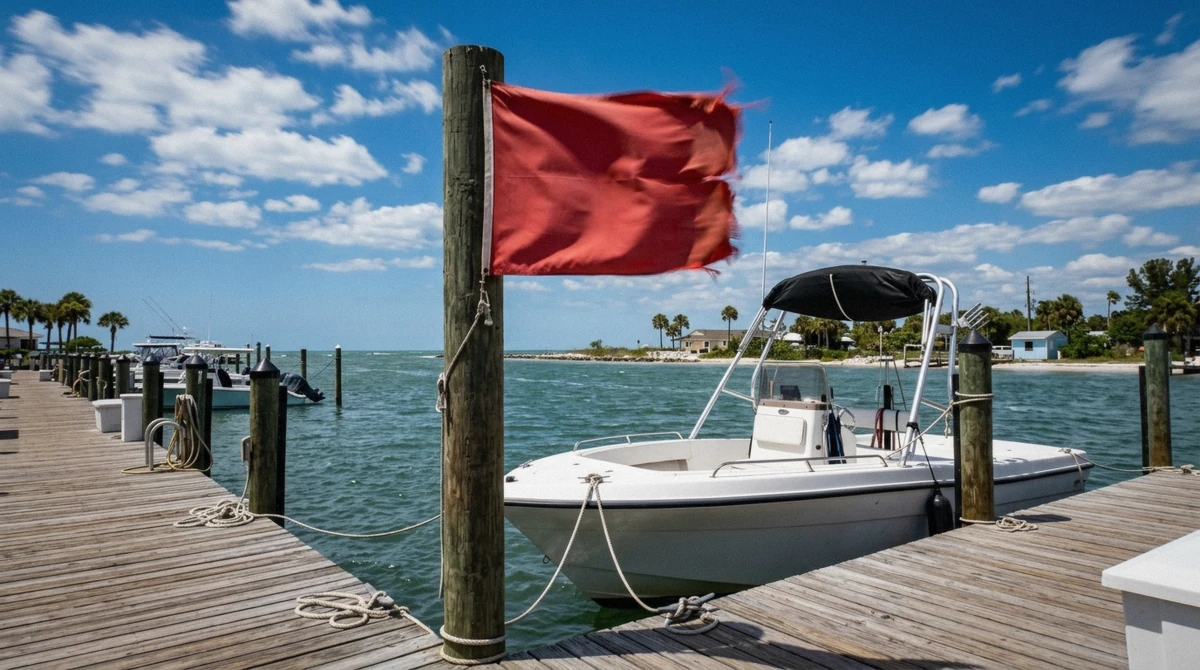
Quick answer
If weather cancels your St. Pete Beach parasail flight, the standard is a free rebooking or a full refund, your choice, not a lost fare.
Key takeaways
- Universal norm: free reschedule or full refund, traveler's choice, when the operator calls it
- The captain makes the call per boat, which is why one company can be flying while another sits at the dock
- You'll typically hear the evening before, at a morning weather check, or right at the dock
- Trap clause: light rain that doesn't trigger a real cancellation isn't refund-eligible, and a no-show forfeits the fare
- Cancellations here are seasonal, more common on summer afternoons and winter cold fronts than in spring or fall
- The one move that makes a cancellation cost nothing: book the first morning slot of your trip, never the last
Why Flights Here Actually Get Cancelled
Wind, not rain, is what actually grounds a parasail boat on St. Pete Beach, and it isn't a judgment call, it's Florida law. The White-Miskell Act (Florida Statute 327.37, effective October 1, 2014) sets the line: no commercial parasailing when sustained wind passes 20 mph (17 knots), gusts pass 25 mph (22 knots), or the gust spread runs more than 15 mph above the sustained speed. Lightning within 7 miles (11 km) or visibility under half a mile also stops flights by statute.
I cover the full story behind that law, including the licensing and insurance it requires, on our is parasailing on St. Pete Beach safe guide. Locally, the two things that push wind past that line are the summer sea-breeze storm cycle, which builds most days between about 1 and 5 PM once the land heats up and pulls moisture off the Gulf, and winter cold fronts, which can push sustained wind over 20 mph for a day or two under a perfectly blue sky. Tampa Bay averages roughly 87 thunderstorm days a year, more than any other major U.S. metro, which is exactly why afternoon cancellations cluster so heavily in June through September.
- Wind over the 20 mph sustained / 25 mph gust threshold, the single biggest cause of cancellations
- Lightning within 7 miles, an automatic stop regardless of how far off the storm looks
- Visibility under half a mile in heavy rain or fog, rare here but it happens with fast-moving fronts
- A gust spread over 15 mph above the sustained wind, the reading that most often splits two boats' calls
One thing worth separating out: a bumpy boat ride is not the same question as a weather cancellation. The go/no-go call is a safety threshold set by the statute, not a comfort threshold, so the boat can be running perfectly legally in moderate chop that still isn't fun for a passenger prone to motion sickness. If that's a concern for you, it's worth taking a standard motion-sickness remedy before you leave the dock and choosing a seat toward the center of the boat, that's a personal-comfort fix, not grounds for a weather refund.
Who Makes the Call, and When You'll Find Out
In Florida, parasailing isn't regulated by a single central authority the way aviation is for balloons or helicopters, it's governed by the statute plus the individual boat captain's judgment on the day. That's exactly why you can see one boat still running while another company a mile down the beach has called it, gust spread and combined passenger weight near the statutory limits can put two captains on legitimately different sides of a go/no-go decision, and it isn't a sign either one is wrong. The typical timeline runs in three stages: an evening-before check if a front or storm system is already forecast, a morning weather log before the first departure, and, if conditions are borderline, a final call right at the dock once the crew can see the sky and check current wind readings.
Notification usually comes by phone call or text to the number on your booking confirmation. If your departure is approaching and you haven't heard anything, proceed to the meeting point as scheduled, that's the default, and ask the dock crew directly if conditions look questionable when you arrive.
Refunds and Rebooking: What the Standard Is
When the operator cancels for weather, the standard everywhere along this coast is simple: a free reschedule to another available slot, or a full refund, and it's your choice, not theirs. The featured St. Pete Beach parasail flight also carries free cancellation up to 24 hours before departure on your own end, so you can bail on a bad forecast yourself at no cost before the operator ever has to make the call. Timing matters here more than people expect.
A refund booked directly with an operator typically posts in 24 to 48 hours; a refund processed through a booking platform like the one behind this trip typically takes 5 to 10 business days, since the platform, not the operator, issues it, and your card statement can lag another billing cycle beyond that. Same-day rebooking onto a later slot is possible if conditions improve and a later departure has room, but be honest with yourself about the odds: the same wind or storm system that cancelled your morning flight is often still active in the afternoon, so next-day rebooking is the safer bet to plan around. Three trap clauses catch people off guard.
Light rain that doesn't actually trigger a cancellation, wind and lightning stay within legal limits, isn't refund-eligible, the trip simply runs as scheduled. A mid-trip weather turnback after you've already launched typically earns a partial refund only, not the full fare. And a no-show, or a cancellation you initiate inside that 24-hour window, forfeits the fare entirely, that's a traveler-side cancellation, not a weather one.
Scenario Table
Here's how the most common situations actually play out, scenario by scenario:
| Scenario | What Happens | Your Move |
|---|---|---|
| Cancelled the evening before | Full refund or free rebooking offered right away | Rebook the first available slot while it's still open |
| Cancelled at a morning weather check | Notified by call or text before you leave for the dock | Wait for confirmation before heading to the meeting point |
| Cancelled at the dock | Crew explains on site, same refund-or-rebook standard applies | Ask for the choice directly, don't assume it |
| Mid-trip weather turnback | Partial refund per policy, not the full fare | Confirm the partial-refund terms before you book if this matters to you |
| Light rain but the trip still runs | No refund, it's operating as scheduled | Decide before booking whether light rain is fine with you |
| You cancel less than 24 hours out | Typically no refund, this is a traveler cancellation | Cancel earlier than the 24-hour window if your plans change |
| No-show | No refund, no rebook, no exceptions | Confirm your slot the night before so this never happens |
How Often Does It Actually Happen Here?
Cancellation risk tracks the same seasons covered in our best time to go parasailing guide, and lines up with the same season boundaries used there:
| Season | Cancellation Risk | Why |
|---|---|---|
| Spring (March to May) | Low | Fronts thin out by mid-spring, wind mostly settles |
| Summer (June to September) | Moderate on afternoons, low in the morning | Daily 1 to 5 PM sea-breeze storms, mornings usually clear |
| Fall (October to November) | Low | Storm activity drops off, air stays dry and settled |
| Winter (December to February) | Moderate | Cold fronts bring multi-day windy stretches under clear skies |
None of this means a specific operator cancelling far more often than the seasonal pattern suggests is normal, if a company scrubs trips well beyond what the season would explain, that's worth treating as an operator-quality signal, not just weather. On this coast, summer afternoons and winter cold fronts account for the large majority of weather cancellations; spring and fall are genuinely the calmest stretch on the calendar. When you're ready to book a St. Pete Beach parasailing flight, those two windows give the weather call the least room to interfere.
How to Plan So a Cancellation Costs You Nothing
A cancellation only actually costs you something if you've left yourself no room to rebook. A little planning fixes that entirely.
- Book the first morning slot of your first full beach day, never the last day of your trip, a scrub still leaves you every later day as a free rebooking runway
- Keep two or three possible days open across your stay rather than locking into one fixed date if your schedule allows it
- Prefer a trip that advertises free cancellation on your end too, like the Blind Pass flight, so you can bail on a bad forecast without waiting on the operator's call
- In summer, treat morning as the default booking window, not a nice-to-have, afternoons carry real storm risk
What to Do Instead If Today Is a Wash
A scrubbed morning doesn't have to sink the day. A few real options within a short drive of Blind Pass:
- Grab lunch dockside at Shrimpy's, right at the departure marina, and keep an eye on conditions in case a later slot opens
- Walk the boardwalk and shops at John's Pass Village in Madeira Beach, a few minutes north
- Head into downtown St. Petersburg for the Salvador Dalí Museum, a solid indoor option regardless of wind
- Rent a beach cruiser and ride the Pinellas Trail while you wait out a front
- Read up on what it actually costs to book a St. Pete Beach parasail flight and lock in your next attempt once the forecast clears
- Check whether parasailing on St. Pete Beach is worth building the rest of your trip around before you rebook
Does Travel Insurance Cover This?
Usually, it doesn't need to. Since the operator refunds or reschedules you directly when they cancel for weather, travel insurance rarely comes into play for the cost of the flight itself. Where it can matter is consequential costs: a missed connecting activity you'd already paid for, non-refundable transport tied to your original time slot, or a cancellation you initiate yourself outside the operator's control.
A basic credit-card travel protection benefit often covers more of this than people expect, generally more than standard debit coverage, so it's worth checking what your card already includes before buying a standalone policy. This is separate from injury or medical coverage, which our is it safe guide addresses on its own.
Frequently Asked Questions
Will my parasailing trip run in light rain?
Usually, yes. Wind and lightning are what actually ground a flight under Florida law, not rain on its own. If wind stays under 20 mph and there's no lightning nearby, a light shower typically doesn't stop the trip.
How will I know if my flight is cancelled?
By phone call or text to the number on your booking confirmation, usually at an evening-before check if a front is forecast, or at a morning weather review before the first departure. If you haven't heard anything as your time approaches, head to the meeting point as planned and confirm with the dock crew.
Do I get a full refund if my flight is cancelled for weather?
Yes, when the operator makes the call, you get a free rebooking or a full refund, your choice. The exceptions are a mid-trip weather turnback, which is a partial refund, and a no-show, which gets neither.
Can I rebook the same day if my morning flight is cancelled?
Sometimes, if conditions improve and a later slot has room, but be realistic, the same wind or storm system often lasts the rest of the day. Next-day rebooking is the more reliable move to plan around.
Why is another company still flying when mine got cancelled?
Because the go/no-go decision here is made per boat by that captain, not by a single central authority. Gust spread and passenger weight near the legal limits can legitimately put two captains on different sides of the same call, it doesn't mean either one is wrong.
What's the windiest time of year for parasailing on St. Pete Beach?
Winter, oddly enough. December through February cold fronts bring the year's windiest multi-day stretches, more consistently than summer's afternoon storm pattern, which usually only affects flights after roughly 1 PM.