Best Time of Year for Parasailing on St. Pete Beach: Month-by-Month Guide

The best time to go parasailing on St. Pete Beach is April through early June and again October through November, when the Gulf water is already warm, winds tend to stay under the state's flying limits, and the daily afternoon storms that build all summer haven't started or have already tapered off. Late July through September still flies most mornings, but you're racing the 1 PM cutoff before sea-breeze thunderstorms roll in. December through February is flyable and quiet, though cold fronts push through every week or two and ground boats on wind alone. I've flown people in every one of these windows off Blind Pass, and the honest answer is that no month here is a bad month to book, some just give you a wider margin for error.
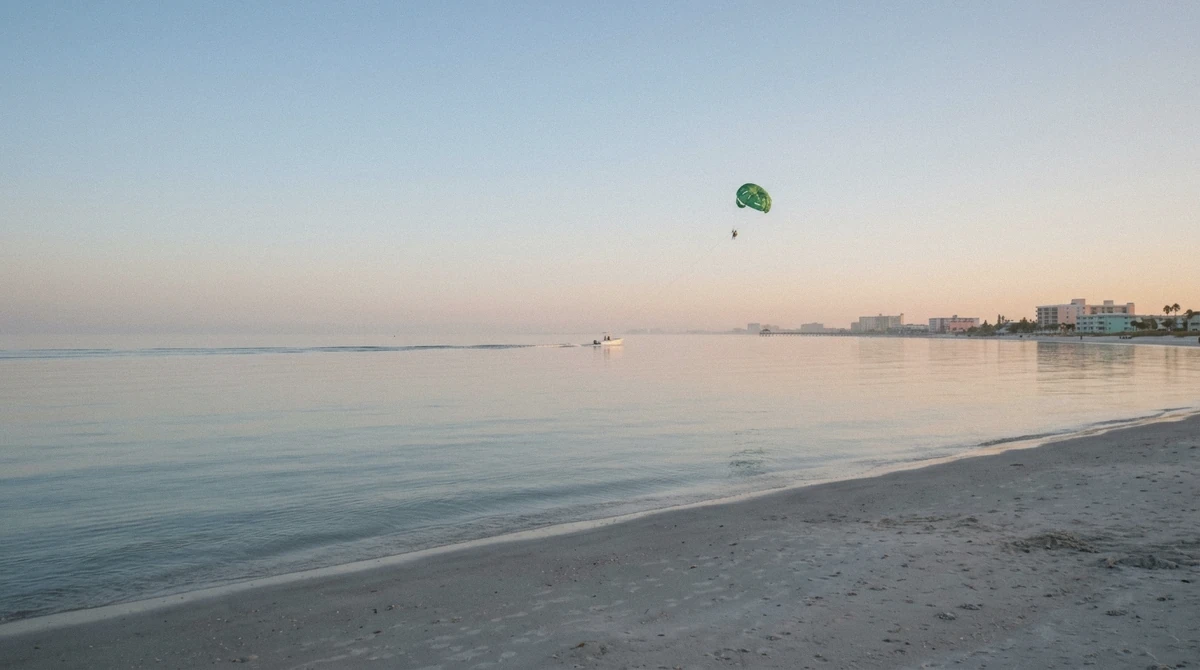
Quick answer
April through early June and October through November are the best months for parasailing on St. Pete Beach, combining warm Gulf water, lighter average wind, and the fewest afternoon thunderstorms of the year. Morning flights in June through September are still a solid bet, you just want the first slot of the day.
Key takeaways
- Best window: April to early June and October to November, warm water and calmer wind
- Runner-up: summer mornings (June to September) before the 1 to 5 PM storm window builds
- Toughest window: January and February cold fronts bring the windiest no-fly stretches, not the summer heat
- Wind grounds flights, not rain, and Florida law sets the actual 20 mph cutoff
- Morning departures beat afternoon almost every month, especially June through September
- Cheapest, quietest booking window: September through November after Labor Day
Seasons at a Glance
Here's how each season on St. Pete Beach stacks up for a parasail flight. Read the Verdict column first, then check the table below it for month-by-month temperatures.
| Season (Months) | Weather | Wind & Storm Risk | Crowds | Verdict |
|---|---|---|---|---|
| Spring (March to May) | Warming fast, mostly dry, occasional breezy fronts early on | Moderate, calms by May | Heavy in March (spring break), light by May | Very good, best from mid-April on |
| Summer (June to September) | Hot and humid, glassy mornings | Daily afternoon thunderstorms, hurricane season live | Moderate to high, families on school break | Good mornings, risky afternoons |
| Fall (October to November) | Warm, drier air moves in, storm activity drops off | Lowest storm risk of the year | Light, best value window | Best overall |
| Winter (December to February) | Cool and mild, air near 70°F (21°C) | Cold fronts bring multi-day windy stretches | Light | Flyable, but check forecast day of |
Two windows do the heavy lifting here: April through early June and October through November. Both give you warm water and a lower chance of a storm scrub than the peak of summer, without winter's wind-driven cancellations.
Month-by-Month Temperature and Water Table
These are typical averages for St. Petersburg and the Gulf just off St. Pete Beach. You fly dry regardless of water temperature since launch and landing happen right off the boat deck.
| Month | Avg High | Water Temp | Storm-Cancellation Risk |
|---|---|---|---|
| January | 70°F (21°C) | 64°F (18°C) | Moderate, wind-driven cold fronts |
| February | 72°F (22°C) | 66°F (19°C) | Moderate, wind-driven cold fronts |
| March | 76°F (24°C) | 70°F (21°C) | Low to moderate |
| April | 82°F (28°C) | 76°F (24°C) | Low |
| May | 87°F (31°C) | 82°F (28°C) | Low |
| June | 90°F (32°C) | 85°F (29°C) | Moderate, afternoons only |
| July | 91°F (33°C) | 87°F (31°C) | Moderate to high, afternoons only |
| August | 90°F (32°C) | 86°F (30°C) | Moderate to high, afternoons only |
| September | 88°F (31°C) | 85°F (29°C) | Moderate, tail of hurricane season |
| October | 83°F (28°C) | 80°F (27°C) | Low |
| November | 77°F (25°C) | 74°F (23°C) | Low |
| December | 72°F (22°C) | 68°F (20°C) | Moderate, wind-driven cold fronts |
August runs the hottest at an average high near 90°F (32°C), with Gulf water peaking around 86°F (30°C) the same month. January is the coolest, with highs near 70°F (21°C) and water down around 64°F (18°C). Figures are long-term averages consistent with National Weather Service Tampa Bay normals; check the current forecast close to your trip date.
Best Season by Traveler Type
If a photographer
book April through early June, when the water is clear turquoise, the air is dry, and the sunset light stays golden well past 7 PM.
If traveling with kids
go October or November, when the water is still warm, afternoons stay calmer, and you're not competing with peak summer crowds for a morning slot.
If on your first flight ever
pick a morning departure in April, May, October, or November, the four months with the lowest realistic chance of a weather scrub.
If chasing dolphins on the ride out
any season works, sightings on the Blind Pass channel run steady year-round on our morning departures.
If on a tight budget
aim for late September through November, after Labor Day crowds thin and morning slots are easy to book without a long lead time.
Spring (March to May): Warming Water, Thinning Crowds
Spring starts crowded and cool and ends warm and quiet. March brings spring break traffic to St. Pete Beach and water still in the low 70s°F (low 20s°C), while by May the Gulf has climbed into the low 80s°F (upper 20s°C) and the crowds have mostly moved on. Wind is the main variable early in the season, a passing front can still push through in March, but by late April conditions settle into some of the calmest mornings of the year.
Prices don't swing much by season on a single-tour site like this one, so the value call is really about crowd size and booking lead time.
- March highs around 76°F (24°C), water around 70°F (21°C), spring break crowds
- May highs around 87°F (31°C), water around 82°F (28°C), noticeably quieter
- Book a few days ahead in March, same-week booking usually works by May
- Morning departures from Blind Pass Road stay the safest bet all season
Summer (June to September): Hot Glassy Mornings, Afternoon Storm Risk
Summer is when St. Pete Beach parasailing looks best in photos and tests your patience with the forecast most. Mornings are typically glassy calm with the warmest water of the year, 85 to 87°F (29 to 31°C), and the air is already hot by 9 AM. The catch is the sea-breeze storm cycle that builds almost daily from roughly 1 to 5 PM, which is why nearly every operator on this stretch of coast books its earliest slots first.
Hurricane season runs the whole summer into fall, but a storm actually affecting your trip is the exception, not the rule, most weeks fly on schedule. Concede this honestly: if you only have an afternoon slot available in July or August, your odds of a scrub are real.
- June through August highs 90 to 91°F (32 to 33°C), water 85 to 87°F (29 to 31°C)
- Storms build most days between about 1 and 5 PM, mornings stay clear far more often
- Hurricane season runs June 1 to November 30, peaking late August through September
- Book the earliest morning slot you can, especially July and August
Fall (October to November): The Insider Window
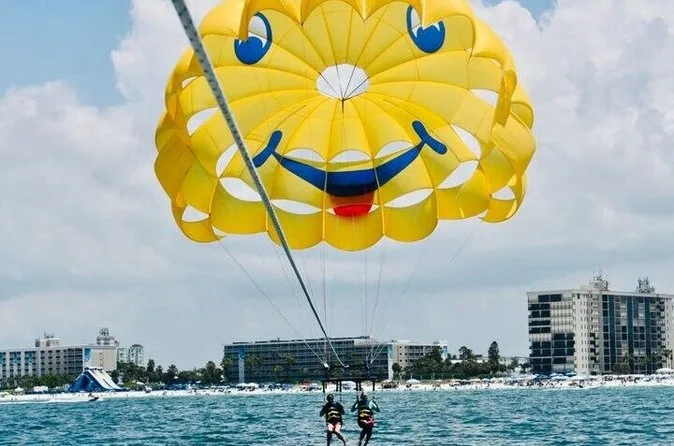
Fall is the window I point most visitors toward. Water is still warm, 74 to 80°F (23 to 27°C), the near-daily summer storm pattern has broken down, and crowds thin out considerably once school is back in session and Labor Day passes. Air temperatures ease into the high 70s to low 80s°F (mid 20s°C), comfortable rather than sweltering, and the St. Pete Beach parasail flight over the Gulf tends to book up with more flexibility this time of year than in July.
The tail end of hurricane season through November means it's worth a glance at the tropics before you lock in dates, but most fall weeks fly clean start to finish.
- October highs around 83°F (28°C), water around 80°F (27°C)
- November highs around 77°F (25°C), water around 74°F (23°C)
- Lowest storm-cancellation risk of the year
- Easiest season to book a same-week morning slot
Winter (December to February): Flyable but Watch the Fronts
Winter surprises people. It's genuinely flyable, air highs sit near 70°F (21°C), and there's no rain season to speak of, but a string of cold fronts moves through roughly every one to two weeks and each one can bring a day or two of wind that's simply too strong to fly, by state law, regardless of how sunny it looks. Between fronts, conditions are often calm and clear, some of the year's best visibility comes on a crisp January morning.
Water temperature is the real trade-off, down near 64 to 68°F (18 to 20°C), though it doesn't matter for a dry flight where you launch and land on the boat deck.
- December through February highs 70 to 72°F (21 to 22°C)
- Water 64 to 68°F (18 to 20°C), irrelevant since you never touch it
- Cold fronts bring the windiest days of the year, not summer storms
- Build a spare day into a winter trip if your dates are flexible
What Actually Affects Flying Conditions
Most people assume rain is what grounds a parasail boat. It's actually wind. Florida law sets the real threshold at 20 mph (17 knots) sustained wind, and that single number, not cloud cover, decides more cancelled flights here than anything else (full mechanics and the statute itself are on our weather cancellations guide).
In summer, the driver is sea-breeze physics: warm land air rises through the day and pulls in moisture off the Gulf, building thunderstorm cells almost on schedule between 1 and 5 PM, often enough that Tampa Bay averages about 87 thunderstorm days a year, the most of any major US metro. In winter, the driver is a passing cold front, wind ahead of and behind the front line can spike well past that 20 mph mark for a day or two even under blue sky.
Red Tide, Honestly
Karenia brevis, the algae behind red tide, shows up sporadically on this stretch of coast and is most common in the warmer late-summer and fall months, though it varies beach to beach depending on wind and current. It's worth checking Pinellas County's current status before your trip if you're visiting during that window. At 200 to 400 feet up, you're well above the shoreline irritation a bad bloom causes on the sand, and the boat ride itself is short.
A genuinely bad bloom is still a fair reason to reschedule, and rescheduling for it is free, the same as any weather-related change.
Best Time of Day
Morning wins, and it isn't close. Wind and storm risk both build through the day here, so the calmest, most reliable flying window is consistently the first two to three hours after the boats start running. This matters most in summer, when the 1 PM storm cutoff makes an early slot the difference between flying and rebooking, but it holds true in every season, mornings are simply calmer air across the board.
Sunset flights look spectacular in photos and do run when conditions allow, but you're trading guaranteed light for a higher chance the afternoon wind or storm pattern has already moved in. If your schedule allows any flexibility, book the first departure of the day on the Blind Pass flight.
Crowds and Prices Through the Year
Spring break, roughly mid-March through early April, is the single busiest stretch on St. Pete Beach, book several days ahead if you're flying that window. Summer holidays, especially the weeks around July 4th, run a close second. The quietest, easiest-to-book stretch is September through November after Labor Day, when the water is still above 80°F (27°C), crowds have thinned out, and morning slots are rarely hard to find even a day or two out.
Pricing on a single-operator trip like this one doesn't swing much by season, the real value is in how easily you can land the morning slot you actually want; the full price breakdown, tips and extras included, is in our cost guide.
What If the Weather Turns?
If wind, lightning, or a storm cell scrubs your flight, you're not out the money, every operator we've checked offers a free reschedule or a full refund, your choice. Light rain with calm wind usually doesn't stop a flight at all, it's wind speed and lightning proximity that actually decide, not cloud cover. Building one spare day into your trip, especially in summer or winter, is the single easiest way to make sure a weather call never actually costs you your flight.
For the full breakdown of who makes that call, when you'll hear about it, and exactly how refunds and rebooking work, see our guide to what actually happens if your tour is cancelled for weather.
So, When Should You Go?
If you want the best odds and the best conditions in one window, aim for April through early June or October through November, warm water, calmer wind, and the lowest realistic chance of a storm scrub. If your trip lands in summer, a morning slot in June through September is still a solid bet, you're just working around a reliable afternoon storm pattern instead of avoiding one entirely. Winter is genuinely flyable, just build a little schedule flexibility around the cold fronts.
Whenever you land, flying over the Gulf from St. Pete Beach is worth building your trip around, and if anyone in your group is unsure about weight limits or medical restrictions, run through our safety guide before you pick a date.
Frequently Asked Questions
Can you parasail in winter on St. Pete Beach?
Yes. Winter air stays mild, near 70°F (21°C), and there's no rain season to worry about. The real risk is wind from passing cold fronts, which can ground flights for a day or two roughly every one to two weeks, so build a spare day into a winter trip if you can.
Does hurricane season affect parasailing on St. Pete Beach?
Hurricane season runs June 1 through November 30 and peaks late August into September, but an actual named storm affecting your specific trip dates is the exception. Most summer and fall weeks fly on schedule; a storm within a few days of your trip usually just means a free rebooking.
Is morning or sunset better for parasailing here?
Morning, for reliability. Wind and storm risk both build through the day, so the first slots of the morning are the calmest and least likely to be affected by weather. Sunset flights are beautiful and do run, but you're trading guaranteed light for a higher chance of an afternoon wind or storm delay.
Does red tide cancel parasail flights on St. Pete Beach?
Not automatically. Red tide is sporadic and doesn't ground flights by rule the way wind or lightning does, but a genuinely bad bloom is a fair reason to ask about rescheduling, which is free. Check Pinellas County's current status if you're traveling in late summer or fall, when it's most common.
How far ahead should I book a parasail flight on St. Pete Beach?
A few days ahead during spring break and the weeks around July 4th, when demand is highest. Outside those windows, especially September through November, same-week or even next-day booking for a morning slot is usually realistic.
What's the coldest month the water gets on St. Pete Beach?
January, with Gulf water averaging around 64°F (18°C). It doesn't affect the flight itself since you launch and land on the boat deck and never touch the water.